Choosing a sustainable roof in North Georgia is not as simple as picking the greenest-looking material from a catalog. You are balancing energy performance, material durability, stormwater concerns, and a climate that swings between humid summers and occasional hard freezes. The right sustainable roofing options for your home depend on specific criteria that most homeowners never get clearly explained to them. This article walks you through exactly what to evaluate, which material categories perform best here, and how to make a decision grounded in real performance rather than marketing language.
Table of Contents
- Key criteria for evaluating sustainable roofing options
- Cool roofs: reflective technology for energy savings
- Green roofs: vegetative layers for stormwater and cooling benefits
- Recycled-content and durable roofing materials: long-lasting sustainability
- Comparing popular sustainable roofing options for North Georgia
- How to choose the right sustainable roofing option for your North Georgia home
- The overlooked realities of sustainable roofing: a North Georgia homeowner’s perspective
- Get expert sustainable roofing services in North Georgia
- Frequently asked questions
Key Takeaways
| Point | Details |
|---|---|
| Evaluate key criteria | Consider energy efficiency, material sustainability, stormwater management, durability, and maintenance when choosing a sustainable roof. |
| Prioritize climate fit | North Georgia’s warm climate suits cool roofs for energy savings, while green roofs offer stormwater benefits if structural capacity allows. |
| Verify products | Choose roofing products with verified solar reflectance and certification to ensure lasting performance. |
| Maintenance matters | Sustainable roofing benefits last longer with proper care, especially for green roofs needing substrate and irrigation management. |
| Work with experts | Partner with certified local contractors to ensure code compliance and maximize your sustainable roofing investment. |
Key criteria for evaluating sustainable roofing options
Before you compare any materials, you need a framework. Sustainable roofing is not one thing. It means different things depending on whether you prioritize lower energy bills, reduced stormwater runoff, longer material life, or a smaller environmental footprint from raw material extraction. Sustainability depends on priorities such as thermal comfort, biodiversity, or stormwater management. Knowing yours changes everything.
Here are the core criteria worth measuring every option against:
- Energy efficiency: Solar reflectance (how much sunlight a surface bounces back) and thermal emittance (how well it releases absorbed heat) are the two key metrics. Cool roof benefits come primarily from solar reflectance and heat shedding, not just recyclability.
- Material sustainability: Look for recycled content, long service life, and low maintenance requirements. A material that lasts 50 years with minimal upkeep often has a smaller environmental impact than one that needs replacement every 15.
- Stormwater management: Some roofing systems, especially vegetative (green) roofs, actively reduce the volume of rainwater running off your property. This matters in North Georgia where heavy rainfall events are common.
- Durability: A sustainable roof that fails in 12 years is not actually sustainable. Factor in wind resistance, fire ratings, and performance under freeze-thaw cycles.
- Maintenance demands: High-maintenance roofs add cost and environmental impact over time. Know what you are committing to before you install.
Pro Tip: Before getting any contractor quotes, check your local building codes through your county’s permit office. North Georgia counties vary on stormwater and structural requirements, and this can directly affect which sustainable options you can legally install.
Once you understand these criteria, reviewing specific roof replacement options becomes much more productive. Now that we understand the evaluation criteria, let’s explore specific sustainable roofing options that meet these factors.
Cool roofs: reflective technology for energy savings
Cool roofs are one of the most practical and cost-effective sustainable roofing choices for North Georgia homes. They work by reflecting sunlight rather than absorbing it, which keeps the roof surface cooler and reduces heat transfer into your living space. Cool roofs can stay over 50°F cooler than conventional roofs, saving real money on air conditioning during the long Georgia summers.
The two numbers you need to understand are solar reflectance (SR) and thermal emittance (TE). SR measures what percentage of sunlight gets reflected. TE measures how efficiently the surface releases the heat it does absorb. For low-slope roofs, ENERGY STAR certification requires an initial SR of at least 0.65 and a TE of at least 0.90. Products that meet this standard have been tested in real conditions, not just a lab.
Your cool roof options include:
- Cool asphalt shingles: Available in lighter granule colors with reflective coatings. Familiar installation process and appearance.
- Painted or coated metal roofs: Metal naturally emits heat well. With the right coating, it becomes one of the top performers for energy savings.
- Single-ply membranes (TPO or PVC): Common on low-slope and flat roofs. White TPO membranes often meet ENERGY STAR criteria out of the box.
- Reflective coatings: Applied over existing roofing to improve performance without full replacement. Cost-effective for extending roof life.
One point most homeowners miss: timing matters. Cool roof products usually cost no more than conventional roofing when integrated into a replacement cycle. Retrofitting an existing roof with coatings costs more per square foot than simply choosing a cool product during a planned replacement.
Pro Tip: Always ask for the aged solar reflectance rating, not just the initial rating. Dirt and weathering reduce reflectance over time. Products rated under the Cool Roof Rating Council (CRRC) include both initial and three-year aged values, which give you a realistic picture of long-term performance. You can find additional expert roof cooling insights to help you ask the right questions before committing.
For homes already due for work, combining cool roof selection with other roof upgrades for energy efficiency can stack multiple savings together. After exploring cool roofs, let’s look at another popular sustainable roofing category offering different benefits: green roofs.
Green roofs: vegetative layers for stormwater and cooling benefits
Green roofs place a layer of growing medium and plants directly on the roof structure. They are not common in North Georgia yet, but interest is growing, especially among homeowners with flat or low-slope roofs who want to address both heat and stormwater concerns simultaneously.
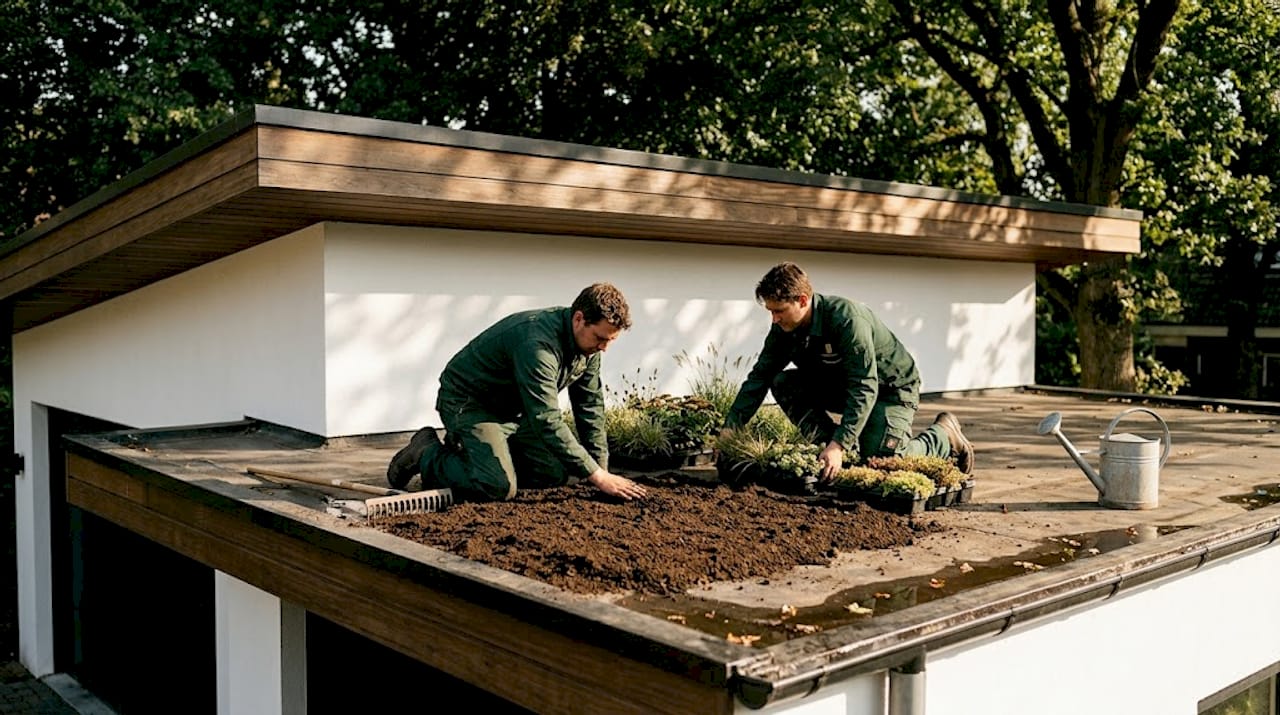
The stormwater benefit is real. Vegetated roof systems can retain a substantial portion of rainfall before any water reaches your gutters or the ground. Growing medium moisture controls evapotranspiration and cooling, meaning both the irrigation strategy and the substrate depth directly affect how much benefit you actually get. A green roof that dries out between rain events performs far better than one with consistently saturated media.
There is one tradeoff that often gets glossed over in promotional material. Green roof runoff can contain higher pollutant concentrations compared to conventional roofs, especially early in the roof’s life. Nutrients leaching from the growing medium can affect local water quality if the substrate is not properly selected and aged. This does not make green roofs a bad choice. It means substrate selection matters more than most installers will tell you.
Key considerations for North Georgia homeowners:
- Structural assessment is non-negotiable. Green roofs add significant weight, often 15 to 25 pounds per square foot when saturated. Your existing roof structure must be professionally evaluated before installation.
- Plant selection: Native plants and drought-tolerant sedums handle North Georgia’s summer dry spells better than imported species.
- Maintenance schedule: Expect irrigation during dry months, periodic weeding, and substrate replacement over time.
- Urban heat benefit: Evapotranspiration from the plants cools the air directly above the roof, which benefits your home and your immediate neighbors.
Pro Tip: Start small. A green roof on a garage, covered patio, or a small addition is a low-risk way to evaluate performance before committing to a full installation. Review our roof maintenance and safety guidance to understand the structural and access requirements before starting this project.
With cool and green roofs covered, let’s examine a third category gaining traction among sustainable options: high-durability and recycled-content materials.
Recycled-content and durable roofing materials: long-lasting sustainability
Not every homeowner wants a white roof or a rooftop garden. If your priority is reducing the environmental footprint of the materials themselves while maintaining a traditional look, recycled-content roofing is worth a close look.
Recycled-content roofing materials include reclaimed metal, recycled rubber or plastic shingles, and fiber-cement products. These contribute to LEED (Leadership in Energy and Environmental Design) credits and reduce demand for virgin raw materials. The sustainability argument here is different from cool roofs. You are not primarily saving energy through reflectance. You are reducing the extraction, processing, and waste associated with new material manufacturing.
Key features of this category:
- Longevity: Reclaimed metal roofs regularly last 40 to 70 years. Recycled rubber shingles are engineered to resist cracking and UV degradation.
- Aesthetic flexibility: Many recycled-content products are designed to mimic the look of slate, wood shake, or traditional asphalt shingles. Your neighbors may not even know the difference.
- Fire and wind ratings: Always request the fire class rating (Class A is best) and wind resistance data. Some recycled products exceed the performance of their conventional equivalents.
- Certification: Look for third-party testing documentation, not just manufacturer claims. ICC evaluation reports or UL listings add credibility.
For homeowners weighing repair versus full replacement, understanding the long-term value of durable materials is essential. Our roof repair and replacement info page walks through when an upgrade makes more financial sense than patching. Having outlined key sustainable roofing categories, it’s important to compare their attributes directly to guide your decision.
Comparing popular sustainable roofing options for North Georgia
| Feature | Cool roofs | Green roofs | Recycled-content materials |
|---|---|---|---|
| Energy savings | High (reflectance-based) | Moderate (evapotranspiration) | Low to moderate (indirect) |
| Stormwater management | Minimal | High | Minimal |
| Upfront cost | Comparable to conventional | Higher than conventional | Comparable to conventional |
| Maintenance | Low (periodic cleaning) | High (irrigation, substrate, plants) | Low to moderate |
| Structural impact | Minimal | Significant (added weight) | Minimal to moderate |
| Climate fit for North Georgia | Excellent for summer cooling | Good if structure supports it | Excellent year-round |
| Aesthetic options | Growing but limited color range | Unique but not traditional | Wide range, mimics traditional looks |
A few things this table makes clear:
- Cool roofs provide the greatest direct energy savings in North Georgia’s warm climate. Cool roofs deliver top cooling savings in hot climates, though they may slightly reduce heating efficiency in winter. North Georgia winters are mild enough that this tradeoff is usually worth it.
- Green roofs require the most upfront planning but offer unique stormwater and ecological benefits that the other two cannot match.
- Recycled-content materials offer the easiest retrofit path for homeowners who want eco-conscious durability without major structural or maintenance commitments.
Pro Tip: If you are replacing your roof due to storm damage, this is the ideal moment to upgrade to a sustainable option. You are already incurring replacement costs. Adding a cool or recycled-content product at that stage often adds little to no extra expense. Review your roof replacement steps to understand the full process before your contractor visit.
With this comparison in hand, we can now explore how to decide which sustainable roofing option best fits your North Georgia home and goals.
How to choose the right sustainable roofing option for your North Georgia home
Working through this decision does not have to be complicated. Follow these steps in order and you will avoid the most common mistakes.
- Get a structural assessment. Before green roof planning or any heavy material upgrade, have a licensed structural engineer evaluate your roof’s load capacity. This step protects your home and your investment.
- Define your primary goal. Is it lower energy bills, reduced runoff, longer material life, or reduced environmental impact from material production? Your answer will quickly narrow the field.
- Match to your climate zone. North Georgia’s hot, humid summers make cool roofs a strong default choice for energy savings. If your property sits in a wetter microclimate and you have structural capacity, a green roof becomes more attractive.
- Budget for the full lifecycle. Include installation, annual maintenance, expected product lifespan, and estimated energy savings. A green roof with a 40-year lifespan and significant stormwater benefits may outperform a cheaper option over time.
- Request certified product specifications. Do not accept verbal claims or brochure copy. Ask for CRRC data sheets, ENERGY STAR certifications, or third-party test results before signing any contract.
Pro Tip: Ask your contractor specifically which products they are recommending and why. A good contractor can tell you the SR and TE ratings for the shingles they want to install. If they cannot, that is a red flag worth taking seriously. Our roofing upgrade advice covers what to look for when vetting contractor recommendations.
The overlooked realities of sustainable roofing: a North Georgia homeowner’s perspective
Here is something we have learned working with homeowners across North Georgia: the gap between what sustainable roofing promises and what it actually delivers often comes down to two things: product verification and ongoing maintenance. Neither gets enough attention.
On the cool roof side, not every light-colored or “energy-efficient” shingle actually qualifies as a cool roof. Cool roof performance degrades without proper initial material verification and aged reflectance certification. We have seen homeowners pay a premium for roofing described as “cool” that had no CRRC rating and performed no better than standard gray shingles after two years of weathering. Always ask for the certification document, not the marketing sheet.
On the green roof side, we would caution against treating these as passive systems. Green roof benefits depend directly on substrate water content and maintenance. A green roof that loses irrigation during a dry Georgia summer provides almost no evaporative cooling and may actually retain heat. That is the opposite of what you paid for.
The broader point: sustainable roofing decisions made primarily on aesthetics or marketing language routinely disappoint. Decisions grounded in certified performance data, honest lifecycle cost estimates, and a clear-eyed view of maintenance demands consistently deliver. We think North Georgia homeowners deserve honest advice about what works here, not just what sounds good on a product page.
If you are navigating a repair versus replacement decision alongside this, our roof repair and replacement insights page will help you frame the conversation with your contractor from a position of knowledge.
Get expert sustainable roofing services in North Georgia
At Infinity Roofing GA, we work with North Georgia homeowners every day who want roofing that performs well and lasts. We are licensed, insured, and experienced with the full range of sustainable roofing solutions that suit our regional climate, from cool roof shingle upgrades to recycled-content metal systems.
If you are planning a roof replacement or dealing with storm damage, now is the best time to integrate a sustainable option without paying a premium. We will walk you through certified product options, structural requirements, and what to realistically expect in terms of energy savings and maintenance. Our roof replacement guide is a great starting point, and our team is ready to help you take the next step. Explore all available roofing upgrades and protection options, or contact us directly for a same-day response and honest assessment.
Frequently asked questions
What makes a roof “cool” and how does it help homeowners?
A cool roof reflects more sunlight and releases absorbed heat efficiently, keeping the surface temperature lower and reducing indoor cooling costs. Cool roofs stay over 50°F cooler than conventional roofs, which translates to real savings during North Georgia’s long warm season.
Do green roofs always improve stormwater quality?
Green roofs reduce runoff volume, but they do not automatically improve water quality. Green roofs can carry higher pollutant concentrations in their runoff compared to conventional roofs, so proper substrate selection and ongoing maintenance are essential to avoid introducing new water quality concerns.
Are sustainable roofing materials more expensive than traditional options?
Not necessarily. Cool roofs cost no more than conventional options when installed during a scheduled replacement. Green roofs are the exception, with higher upfront installation costs and ongoing maintenance expenses that need to be weighed against their long-term benefits.
How important is maintenance for sustainable roofs?
Maintenance is critical, especially for green roofs. Low substrate moisture reduces evaporative cooling and the ecosystem services you are paying for. Cool roofs need periodic cleaning to maintain their reflectance rating, particularly in areas with tree cover or air pollution.