Many North Georgia homeowners assume reroofing and roof replacement are the same thing. They’re not, and mixing them up can cost you thousands of dollars or lead to a repair that doesn’t hold up against our next round of severe storms. Reroofing is a specific process with real advantages and real limits, and knowing the difference helps you make a smarter, more confident decision for your home. This guide breaks down everything you need to know, from costs and process steps to when reroofing is a smart move and when it simply isn’t the right call.
Table of Contents
- Understanding reroofing: Definition and process
- Comparing reroofing and roof replacement: Which is best?
- When reroofing makes sense and when it doesn’t
- Costs, budgeting, and what to expect in North Georgia
- Why most homeowners overlook the risks of reroofing
- Next steps: Find the right support for your North Georgia roof
- Frequently asked questions
Key Takeaways
| Point | Details |
|---|---|
| Reroofing saves money | It’s usually less expensive than full replacement when structural roof issues are minimal. |
| Local codes matter | North Georgia’s regulations may limit reroofing to one additional shingle layer. |
| Storm damage changes options | Major leaks or insurance claims often require a full roof replacement, not reroofing. |
| Consult pros for safety | A roofing professional ensures your choice protects your home and investment long term. |
Understanding reroofing: Definition and process
Once you know there’s a difference, it helps to start with a clear definition and look at the basics of how reroofing actually works.
Reroofing (sometimes called an overlay) is the process of installing a new layer of shingles directly over your existing shingles, without removing the old ones first. It’s not a patch job, and it’s not the same as a full roof replacement. Think of it as adding a fresh surface on top of what’s already there.
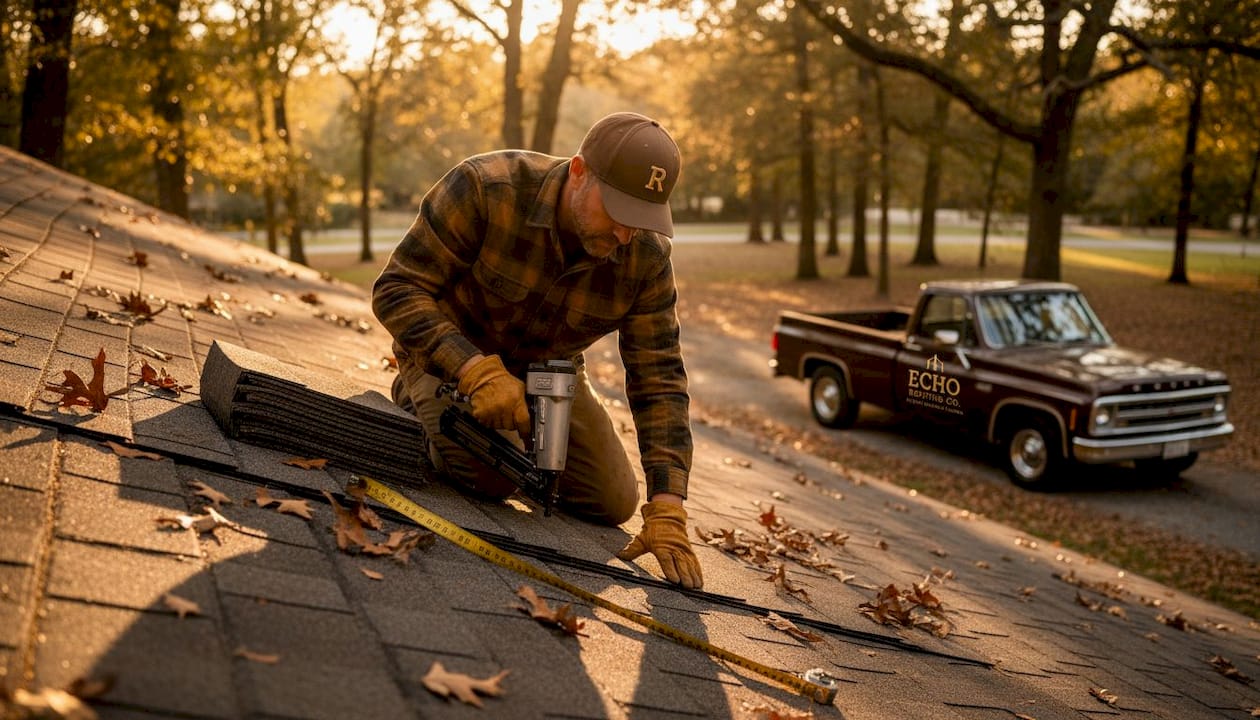
This approach is different from a full replacement, where a roofing crew tears off all existing shingles, inspects the wooden deck underneath, makes any necessary repairs to that deck, and then installs everything new from the bottom up. With reroofing, that tear-off step is skipped entirely.
Why some homeowners choose reroofing
There are three main reasons homeowners lean toward reroofing:
- Speed: Because there’s no tear-off, the job usually takes less time. For homeowners who need a quick fix before bad weather, that’s a real benefit.
- Less mess: No tear-off means less debris, fewer dumpsters, and less disruption to your property and landscaping.
- Potential cost savings: Skipping tear-off and disposal reduces labor and hauling costs. For a budget-conscious homeowner with a relatively young, single-layer roof, this can be meaningful.
The reroofing process, step by step
Here’s how a typical reroofing job works when done correctly:
- Inspection: A licensed roofer inspects the existing shingles for cupping, curling, rot, or soft spots underneath. This step is critical. If the deck has damage, reroofing is not safe.
- Preparation: Damaged or loose shingles may be nailed down or replaced individually before the new layer goes on. Flashing around vents and chimneys is checked.
- Shingle installation: New shingles are nailed directly over the existing layer, following the same pattern as a standard installation.
- Cleanup: Minimal debris compared to a full tear-off, though cleanup of nails and stray materials is still part of the job.
Pro Tip: Before agreeing to a reroofing quote, always ask if the contractor will inspect the decking. If they say no, that’s a red flag. A responsible contractor evaluates what’s underneath before adding more weight on top.
One important local note: Georgia building codes, like many across the Southeast, generally limit roofs to two layers of shingles total. If your home already has two layers, reroofing is not a legal option. You’ll need a full replacement regardless. Understanding your home’s residential roofing basics before getting quotes helps you walk into those conversations prepared.
For North Georgia homeowners budgeting for any type of roof work, it’s useful to know that Georgia roof replacement costs average around $8,918, with a full range of $6,965 to $21,455 depending on home size, materials, and location. Reroofing typically costs less because it avoids tear-off and deck replacement, but the savings vary based on your specific situation.
Comparing reroofing and roof replacement: Which is best?
Now that you’ve seen how reroofing works, let’s look at how it stacks up against full replacement so you can make an informed choice.
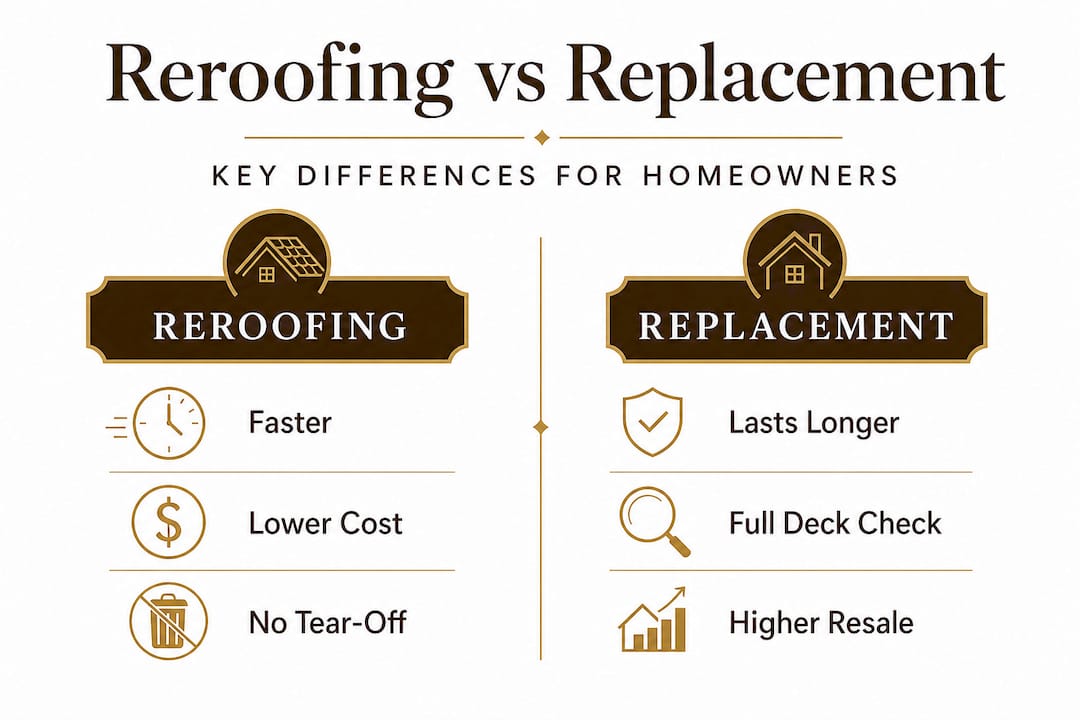
| Factor | Reroofing | Full replacement |
|---|---|---|
| Cost | Lower (no tear-off) | Higher (full labor + materials) |
| Time to complete | 1 to 2 days typically | 2 to 4 days typically |
| Deck inspection included | No | Yes |
| Fixes underlying damage | No | Yes |
| Long-term durability | Shorter lifespan | Longer lifespan |
| Insurance claim eligibility | Often not covered | Usually covered for storm damage |
| Allowed layers | Only if currently one layer | Always available |
| Adds weight to structure | Yes (extra shingle layer) | No (starts fresh) |
When reroofing makes sense
- Your roof has a single layer of shingles and is less than 15 to 20 years old
- The damage is surface-level with no soft decking or moisture intrusion
- You need a fast turnaround and the roof is in otherwise solid condition
- You’re preparing to sell and want to improve curb appeal quickly without major investment
When full replacement is the smarter choice
- Your roof already has two layers of shingles (reroofing is no longer an option)
- There’s evidence of leaks, rot, mold, or soft spots in the deck
- Storm or hail damage is involved and insurance is paying for the work
- The roof is 20 or more years old and nearing the end of its expected life
Our roof repair vs. replacement guide covers this comparison in even more detail, including specific storm damage scenarios common to North Georgia. If you’ve already decided on a full replacement and want to know what comes next, our roof replacement steps walkthrough explains the full process from start to finish.
The honest truth is that full replacement costs more upfront but tends to be the better long-term investment for most North Georgia homeowners. It solves problems rather than covering them up. That said, reroofing is a legitimate option in the right circumstances, and there’s no reason to spend more than you need to if your roof qualifies.
When reroofing makes sense and when it doesn’t
Understanding the pros and cons is only part of the equation. Knowing when reroofing is actually appropriate is what ensures you avoid headaches and added costs down the road.
Here’s a numbered breakdown of the most common scenarios and the best response for each:
- Minor surface wear on a newer roof: If your shingles are showing granule loss or light weathering but the deck underneath is dry and solid, reroofing can extend the roof’s life without a full overhaul.
- One existing layer with no moisture problems: This is the textbook ideal for reroofing. One layer plus one new layer stays within code, and with no hidden damage, the risk is low.
- Significant storm or hail damage: This is where reroofing almost always fails as a solution. Storm damage frequently penetrates beyond the shingles and into the underlayment or deck. A new layer on top does not fix that.
- More than one existing shingle layer: Reroofing is not allowed. Period. Adding a third layer violates Georgia building codes and can void your homeowner’s insurance coverage.
- Roof leaks that have been present for more than a season: Prolonged moisture almost certainly means deck damage. Reroofing over compromised wood leads to faster failure and potential structural problems.
Important: North Georgia homeowners dealing with storm damage should know that most insurance companies will not approve a reroofing claim. Insurers typically require full replacement when wind, hail, or storm damage is documented. Filing an insurance claim? Expect your adjuster to look for signs that warrant replacement, not an overlay.
Pro Tip: If you’re unsure whether your roof qualifies for reroofing, ask your contractor to walk you through the inspection process and show you any soft spots or areas of concern before signing a contract. A trustworthy contractor will never push reroofing on a roof that needs full replacement.
Long-term home value is another factor worth weighing. Buyers and home inspectors can often tell when a reroofing was done, especially if the roof shows any waviness or uneven texture. For most homes in our area, a full replacement offers better resale value and fewer surprises during a home inspection.
Understanding the right contractor for your specific situation is just as important as understanding the roofing process itself. A contractor familiar with Georgia’s local codes and insurance landscape can save you significant time, money, and frustration.
Costs, budgeting, and what to expect in North Georgia
After deciding whether reroofing fits your needs, you’ll want to understand what it means for your budget, especially with North Georgia’s unique price trends.
Georgia roofing cost overview
According to This Old House, the average cost of a full roof replacement in Georgia is $8,918, with the full range running from $6,965 to $21,455. That wide range reflects differences in home size, roofing material, roof pitch, and location within the state.
Reroofing (overlay) generally costs less than a full replacement because it eliminates several major cost drivers:
- No tear-off labor: Removing old shingles takes time and crew hours. Skipping this step cuts costs.
- No disposal fees: Tear-off generates significant debris that must be hauled away. No tear-off means no disposal.
- No deck replacement or repair: Unless there’s obvious damage, the existing deck is left in place.
Factors that affect your reroofing estimate
| Cost factor | Impact on reroofing price |
|---|---|
| Roof size (square footage) | Larger roofs cost more per job |
| Shingle material chosen | Architectural shingles cost more than 3-tab |
| Roof pitch (steepness) | Steeper roofs require more safety measures |
| Accessibility | Limited access raises labor costs |
| Local contractor rates | North Georgia prices vary by county |
📊 Statistic to know: Full replacement in Georgia averages roughly $3.00 to $5.50 per square foot for standard asphalt shingles. Reroofing can run 15% to 30% less per square foot on average when the existing roof qualifies, primarily because labor time is shorter.
Budgeting tips for North Georgia homeowners
- Get at least three quotes from licensed, local contractors before committing to any approach.
- Ask specifically if the quote includes an inspection of the decking, not just the surface.
- Understand what your insurance covers before assuming reroofing will save you money. If insurance won’t cover reroofing for storm damage, the savings may not apply.
- Factor in future costs. A reroofed home may need replacement sooner than expected if underlying issues go undetected. Build that into your planning.
- Check contractor credentials. Licensed and insured contractors in Georgia provide protection that unlicensed crews cannot. Don’t let a lower bid lead you to skip this step.
If you want help identifying a qualified local contractor, our guide to picking a top roofing company in North Georgia walks through exactly what to look for and which questions to ask before signing anything.
Why most homeowners overlook the risks of reroofing
Budgeting and expectations give you the numbers, but there’s a bigger picture worth considering when you’re thinking long-term about your home’s safety.
We’ve been working in North Georgia since 2018, and here’s what we see repeatedly: homeowners choose reroofing because it looks like the smart financial move on paper, and then they call us two or three years later with a much bigger problem. The money they saved on the overlay ended up costing them more in emergency repairs, water damage remediation, and eventually, the full replacement they needed in the first place.
The issue isn’t reroofing itself. It’s that a visual inspection of the surface shingles can only tell you so much. What’s happening in the decking, the underlayment, and around your flashing is invisible until you do a tear-off. In North Georgia, where we get hard summer storms, high humidity, and significant wind events, any moisture that gets trapped under two layers of shingles has nowhere to go. It sits. It spreads. It rots the deck quietly for months or years before you ever see a stain on your ceiling.
Conventional wisdom says “save money where you can.” We respect that. But we’d push back and say: save money where it’s actually safe to save. If your roof is over 15 years old, has any history of leaks, or took storm damage this season, reroofing is not saving you money. It’s delaying a cost while creating a larger one.
Another thing we’ve noticed is that some contractors offer reroofing because it’s a faster job with solid margins. That’s not always the customer’s best interest. Working with a contractor who knows North Georgia’s code requirements, understands how insurance adjusters evaluate claims, and has seen what happens when reroofing goes wrong is the only way to get genuinely honest advice. Our contractor selection tips can help you separate the honest ones from those just looking to close a quick deal.
The bottom line from our experience: reroofing is legitimate in a narrow set of circumstances. Outside those circumstances, it’s a shortcut that tends to get expensive fast.
Next steps: Find the right support for your North Georgia roof
With the risks and realities in mind, if you’re ready to take action or want expert input, here’s where to start.
At Infinity Roofing GA, we’ve helped hundreds of homeowners across North Georgia navigate exactly this decision. Choosing between reroofing and full replacement is easier when you have a trusted local contractor walking the roof with you and explaining what they see.

Start by reviewing repair vs. replacement insights to see how your situation compares to common scenarios we encounter across Paulding, Cherokee, and Cobb counties. If you’ve already decided on replacement, our step-by-step roof replacement guide gives you a clear picture of what to expect. And when you’re ready to bring in a professional, our roof contractor guide helps you ask the right questions and hire with confidence. We’re local, licensed, insured, and ready to help.
Frequently asked questions
How many times can you reroof a house?
Typically, you can only reroof once, since most building codes including those in North Georgia prohibit installing more than two total layers of shingles on any residential structure.
Is reroofing cheaper than replacement in Georgia?
Yes, reroofing is almost always less expensive because it skips the labor and disposal costs of tear-off. Georgia replacement costs average $8,918, while reroofing can run notably less when the existing roof qualifies for an overlay.
Will insurance cover reroofing after storm damage?
In most cases, home insurance companies prefer or require full replacement for documented storm damage rather than a basic reroofing overlay, though specific coverage depends on your individual policy.
What risks should North Georgia homeowners consider with reroofing?
Reroofing can conceal moisture infiltration and deck damage rather than resolving it, which is especially risky in North Georgia’s storm-prone climate where trapped moisture leads to accelerated wood rot and structural concerns.